Pakistan Opens Door to Global Skills Training Partnerships
Posted 6 months ago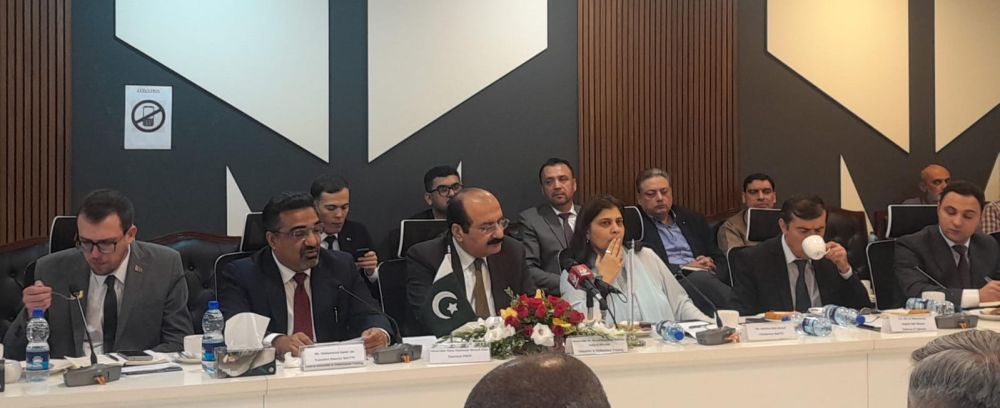
53/2026
The National Vocational and Technical Training Commission (NAVTTC) convened a high-level diplomatic roundtable in Islamabad, signaling a renewed push to internationalize the country’s technical and vocational education sector.
Hosted at NAVTTC headquarters, the forum brought together ambassadors, heads of mission, and senior education leaders for a focused, forward-looking dialogue on expanding international cooperation in skills development — an area increasingly recognized as pivotal to Pakistan’s economic transformation and global competitiveness.
The initiative aims to showcase Pakistan’s evolving TVET landscape and identify concrete avenues for bilateral and multilateral partnerships that can offer mutual benefits, such as access to a skilled Pakistani workforce and shared technological expertise, aligning with Pakistan’s Vision 2025 to foster global economic integration.
A Strategic Pivot Toward Skills Diplomacy
Opening the session, senior officials emphasized that Pakistan’s demographic reality —a rapidly expanding youth population—poses both a challenge and an opportunity. With millions entering the workforce each year, the country aims to turn its human capital into a driver of economic growth through targeted skill development.
NAVTTC leaders outlined ongoing reforms to modernize curricula, strengthen quality assurance mechanisms, and build stronger links with industry. These efforts, they noted, are designed not only to meet domestic labor market needs but also to position Pakistani workers competitively in international markets.
“Skills are the new currency of global engagement,” an official remarked, underscoring the need for structured cooperation with partner countries on certification, workforce mobility, and technology transfer.
Focus on Priority Sectors for Skills Trainings
Discussions at the roundtable focused on key sectors identified as critical to future collaboration, including renewable energy, information technology, healthcare, logistics, mining, and hospitality. These sectors reflect both global demand trends and Pakistan’s development priorities.
Participants explored models for joint training programs, mutual recognition of qualifications, and the creation of Centers of Excellence. Scholarship opportunities and faculty exchange programs were also proposed to deepen institutional ties.
A key theme was the importance of aligning training standards with international benchmarks, which can boost employment abroad and reinforce Pakistan’s reputation for quality in global labor markets.
Building Channels for Sustained Engagement
The structured program aimed to build lasting channels for engagement, encouraging diplomatic representatives to see this as a foundation for ongoing, impactful cooperation.
Among the expected outcomes were increased awareness of Pakistan’s TVET ecosystem, the identification of new cooperation initiatives, and strengthened international partnerships focused on youth employment and skills mobility.
The event concluded with a call for sustained dialogue and actionable partnerships. Officials expressed optimism that the initiative would catalyze long-term collaboration, bridging gaps between Pakistan’s training institutions and global labor markets.
A Broader Vision
Beyond immediate agreements, the roundtable signals a deeper shift in Pakistan’s policy orientation, placing skills development at the heart of economic diplomacy. By engaging directly with the international community, the country aims to transform its workforce into a globally recognized asset.