HEC Advises University Leaders to Make Quality a Shared Institutional Mission
Posted 1 month ago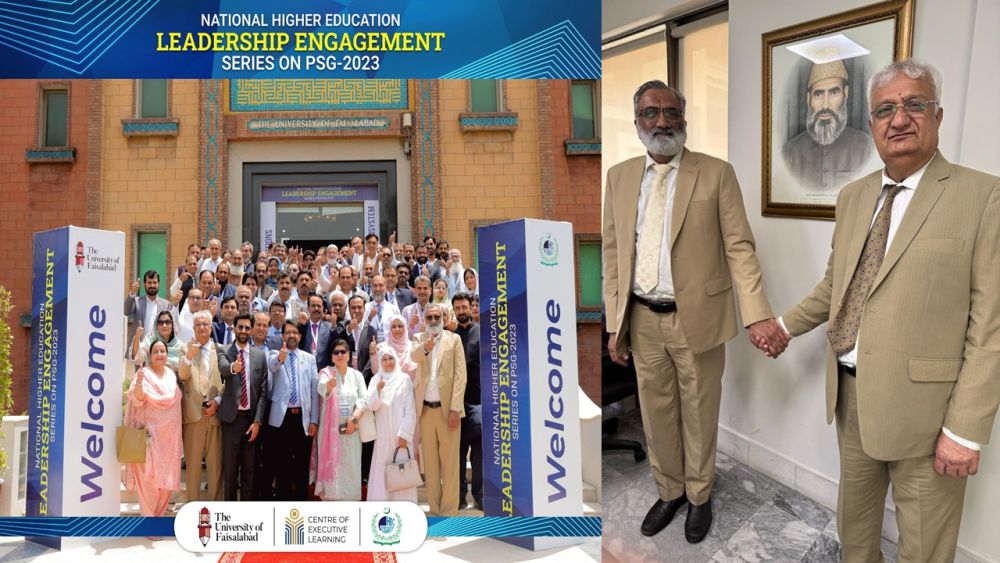
143/2026
Pakistan's higher-education quality agenda advanced another step toward institutional transformation on Friday, as academic leaders from 23 universities across South Punjab gathered at the University of Faisalabad for a regional leadership summit to redefine how universities approach quality assurance.
Organized by the Quality Assurance Agency (QAA) of the Higher Education Commission (HEC), the session was part of the National Leadership Engagement Series, The Quality Compact, an initiative that reflects the commission's broader effort to move quality assurance beyond procedural compliance toward institutional leadership and continuous improvement.
The gathering brought together Deans and Registrars from degree-awarding institutions across the region, underscoring HEC's growing emphasis on treating quality as a strategic responsibility shared by university leadership rather than a function confined to quality enhancement offices.
Welcoming participants, Rector of the University of Faisalabad, Prof. Dr. Aman Ullah Malik, described the forum as an opportunity for universities to strengthen collaboration and collectively elevate academic standards in Pakistan's higher education sector.
Delivering the keynote policy address, Director General of HEC's Quality Assurance Agency, Mr. Nasir Shah, outlined the philosophy underpinning the initiative. He said the theme, "From Conformity to Ownership," signals a decisive shift from compliance-based evaluation to a culture in which institutional leaders actively champion quality, governance, academic excellence, and accountability.
Throughout the day, participants engaged in structured discussions on the Pakistan Precepts, Standards and Guidelines (PSG-2023), HEC's evolving national quality framework. Sessions also examined the PERLI Golden Thread—linking Policy, Effectiveness, Review, Learning, Leadership, and Integration—and Q-CIRCLE, HEC's digital platform for supporting continuous institutional review and evidence-based quality enhancement.
The event drew not only senior academic administrators but also industry representatives and students, reflecting HEC's intention to broaden national conversations about academic quality and institutional performance.
During the closing session, Vice Chairman of the Board of Governors of the University of Faisalabad, Dr. Hamza Amin, and Registrar Dr. Zahida Maqbool expressed gratitude to HEC for selecting the university to host the regional engagement. He thanked participants for contributing to what they described as a meaningful dialogue about the future of higher education.
Prof. Dr. Muhammad Mukhtar, Rector of the University of Southern Punjab, Multan, praised the Higher Education Commission for convening what he called "a forward-looking leadership initiative that places institutional ownership at the heart of quality assurance."
He noted that the transition from regulatory compliance to a culture of continuous improvement is essential for Pakistani universities to achieve international competitiveness.
"PSG-2023 is far more than a revised quality framework; it signals a transformation in institutional thinking. Sustainable excellence emerges when university leadership treats quality as a shared responsibility rather than an administrative obligation. HEC deserves appreciation for creating a collaborative platform where academic leaders can collectively shape the future of higher education in Pakistan," Prof. Mukhtar said.
He further observed that initiatives such as The Quality Initiative will strengthen governance, academic credibility, and stakeholder confidence while preparing universities to meet emerging global standards in teaching, research, innovation, and institutional effectiveness.
The Faisalabad session marked another milestone in HEC's nationwide effort to cultivate leadership-driven quality assurance, signaling a broader shift toward institutional maturity and a more resilient higher education system capable of responding to national priorities and international expectations.