235/25 The New Map of Global Innovation: How China Quietly Took the Lead?
Posted 9 months ago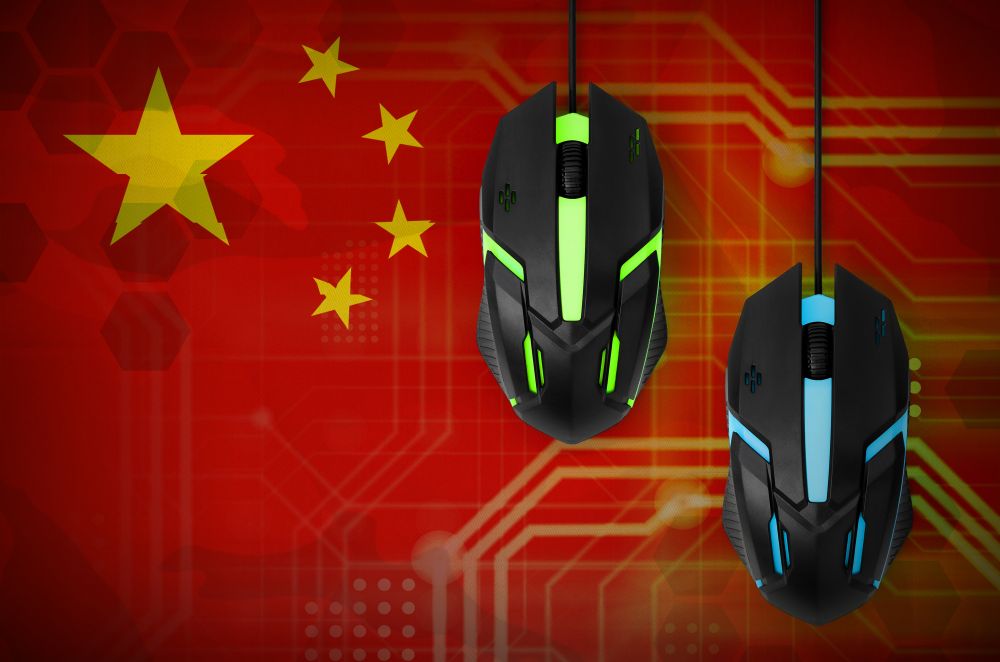
In an impressive development reported by Nature, an independent technology tracker has found that China now leads research in nearly 90 percent of the world’s most strategically important technologies, i.e., fields that could shape both economic prosperity and national security in the coming decades. The United States remains a leader in much of what is left, but the balance of power in science and innovation appears to be shifting dramatically.
It suggests China’s strategic focus on areas like artificial intelligence, quantum computing, and advanced materials is yielding measurable progress, making the discussion more tangible for readers.
Why This Report is a Wake-Up Call
For decades, the United States has dominated the frontier of research in fields with military, economic, and societal implications. But we are now seeing a rebalancing where China is sprinting ahead on many fronts. This undercuts traditional assumptions about where global innovation originates and who sets the agenda for future technology standards.
Superiority in technological leadership, which includes setting global standards and influencing international rules, translates into real-world power and shapes future global influence.
What the Numbers Don’t Tell Us - and Why That’s Important
Numbers alone don’t capture the whole story. For example: Quality vs. Quantity: Leading in research output doesn’t always translate into breakthrough impact. Patent filings or publication counts might be high, but this doesn’t guarantee world-changing innovations more broadly. The Nature article does not deeply analyze the quality of that research.
Research ecosystems involve global networks. U.S. and European institutions still play significant roles in collaborative science, and the interdependence in areas like climate research and health innovation remains strong, which can reassure the audience about the ongoing importance of international cooperation.
Broader policy choices and societal values, such as ethics in AI, data privacy, and the responsible use of emerging technologies, also shape technological leadership. Recognizing these dimensions can encourage the audience to consider their role in shaping responsible innovation.
In essence, this shift presents both challenge and opportunity: competition that drives innovation, but also potential friction if geopolitical tensions over technology spill into diplomacy, trade, or military competition. Understanding the nuance behind the “90 percent” figure matters if policymakers, scientists, and the public are to respond wisely.
In the modern world, science has become an arena not just of discovery, but of influence and power. This Nature report forces us to ask a simple question: What kind of future will we build when technological leadership is no longer concentrated in a few places, and what does that mean for global cooperation, competition, and human progress?